Stop Being Swept by the Tide: How Intentional Agreements Transform Your Leadership in 2026
As we enter into our work days in March there is a particular kind of honesty emerging.
The optimism of January has worn off. The goals you set are either thriving or quietly abandoned. The rhythm of work has fully reclaimed its pace. And if you're like most of the leaders I work with, you've found yourself somewhere in the middle — still moving forward, but with a nagging sense that you've lost the thread of how you actually wanted to show up this year.
This is a predictable challenge of what happens when we set new intentions without a structural foundation to hold them.
And this is where intentional agreements come in!
A self-agreement is different from a goal in one essential way: it is behavioral, observable, and measurable — you can keep it, break it, and track it, which is what gives it traction.
The Problem with Resolutions
Every year, millions of leaders set intentions for change. Be more present. Delegate more. Work smarter. Take better care of themselves. These are meaningful and positive visions — and then by March, for most people, they have dissolved under the weight of daily demands.
The problem isn't in the vision. It's the architecture.
Resolutions for change are aspirational. They describe an outcome you want — 'be less reactive,' 'be a more empowering manager' — without specifying the specific behaviors, the daily practices, or the check-in mechanisms that would make that outcome real. And human beings, it turns out, are not very good at changing their behavior through willpower alone. We need structure. We need measurable commitments. We need a way to know whether we are keeping them.
That structure is what a conscious self-agreement provides.
What Is a Self-Agreement?
A self-agreement is different from a goal in one essential way: it is behavioral, observable, and measurable.
A goal says: 'I want to be more present in meetings.'
A self-agreement says: 'I will not check email in the 10 minutes before any meeting. Instead, I will use that time to review the agenda and center myself.'
You can keep or break a self-agreement. You can track it. You can notice when you've drifted from it and return. That's what gives it traction — it isn't abstract, it's actionable.
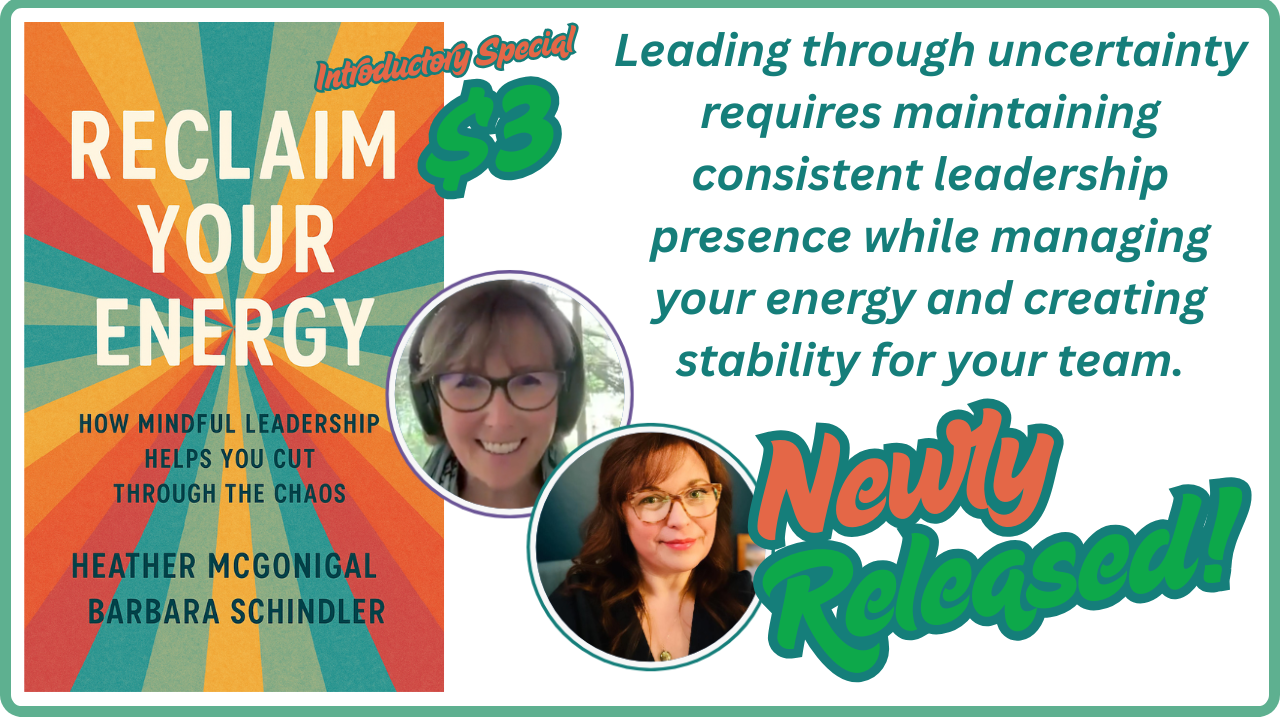
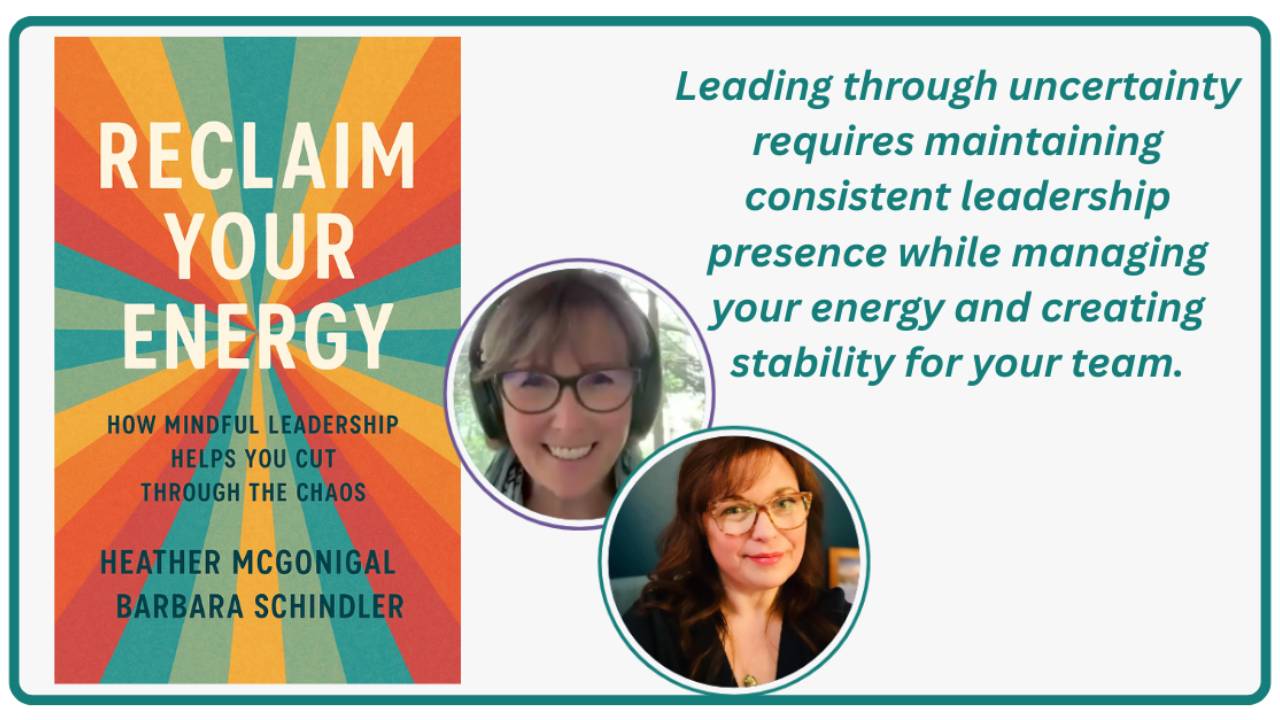
In the coaching work Heather McGonigal and Barbara Schindler do with leaders at all levels, agreements have emerged as the single most powerful tool for behavior change — not because they are clever, but because they bring the unconscious into the conscious.
The Unconscious Agreements Running Your Leadership
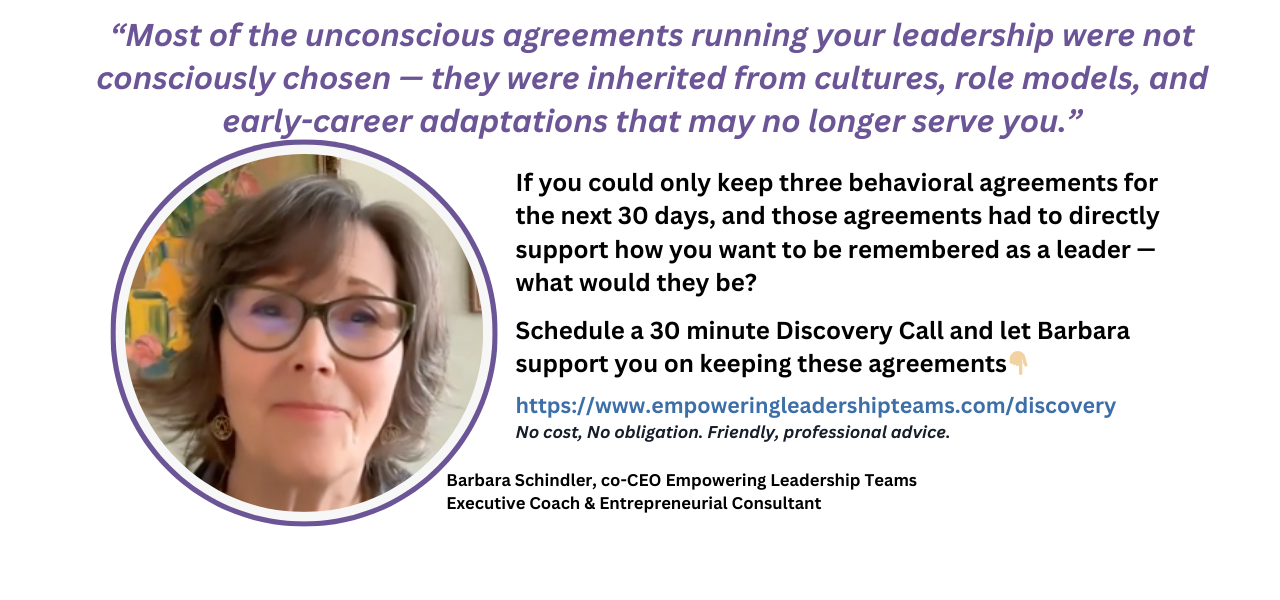
Here's something most leaders don't realize: you are already operating by agreements. You just haven't chosen them consciously.
These unconscious agreements are the invisible rules that govern your behavior without your awareness. 'I need to always have the answer.' 'I should be available at all times.' 'Asking for help is a sign of weakness.' 'Busy equals productive.' These rules were formed over years — shaped by workplace cultures, parental messages, early career experiences — and they run quietly in the background, influencing your choices, your reactions, and your reputation as a leader.
The moment you surface one of these unconscious agreements is the moment you reclaim your agency. Because once you can name it, you can choose whether to keep it or replace it with something more aligned with who you actually want to be.
Inside Out vs. Outside In
In mindfulness-based leadership, there is a concept called living from the outside in versus the inside out. Most of us, most of the time, are living outside in — allowing the pace of the business, the urgency of others, the volume of our inboxes to determine how we feel, how we think, and how we show up.
Living from the inside out looks different. It begins with a clear sense of your own intentions, your own values, and your own agreements with yourself — and then engages with the external world from that grounded place.
This is not about ignoring external demands. It is about maintaining your internal anchor even when external forces are pulling hard. The leader who takes two minutes to center before a difficult conversation is not being slow — they are being strategic. The leader who protects their peak cognitive hours for deep work is not being selfish — they are optimizing for the quality of their contribution.
The Three-Agreement Framework
The most common mistake leaders make when trying to change their behavior is attempting to change too much at once. They write a list of ten resolutions, feel overwhelmed by the third week of January, and quietly abandon the entire project.
The research on behavior change is clear: small, specific, consistently practiced habits produce more durable results than sweeping overhauls. This is why the three-agreement framework works.
Here's how to apply it:
Step 1 — Identify your mindset anchor. What is the core quality you want to embody as a leader right now? Calm. Clear. Curious. Present. Grounded. Choose one word or short phrase that names how you want to show up.
Step 2 — Write three measurable behavioral agreements that support that quality. Each agreement should specify what you will do, when, and how you will know you've done it. Start with the smallest possible version — the minimum viable agreement — and build from there.
Step 3 — Create a daily check-in ritual. At the end of each workday, spend two minutes asking yourself: 'Did I keep my agreements today?' Not to judge — to notice. You might rate yourself on a scale of one to ten, jot a quick note, or simply sit with the question for a moment. This simple practice builds the self-awareness that underlies all great leadership.
Step 4 — Connect your agreements to your 'why.' The most powerful agreements are the ones rooted in something you genuinely care about — your health, your relationships, your legacy as a leader, the wellbeing of your team. When you know your why, the agreement becomes more than a rule. It becomes an expression of your values.
A Note on Neurodivergency and Natural Rhythms
One of the most empowering insights in this framework is the recognition that we are all different — and that designing your day around how your brain works best is not a concession to limitation but a strategy for excellence.
Some leaders do their best thinking in the early morning. Others are most creative and cognitively alive in the afternoon or evening. Some thrive in collaborative, high-interaction environments; others need long stretches of uninterrupted focus to do their best work. These differences are not weaknesses to be managed — they are features of your unique cognitive design.
When you create self-agreements that honor your natural rhythms — protecting your peak hours for your most important work, scheduling interactive tasks when you're most naturally energized for connection — you stop fighting your own brain and start leveraging it. The results speak for themselves.
Your Reset Moment Is Right Now
You don't need to wait for January 1st to recommit to the leader you want to be. You don't need a perfect plan or a complete overhaul. You need three clear agreements, a daily two-minute check-in, and the willingness to return to your intention every time you drift.
March is not too late. It is, in many ways, the perfect time. The unrealistic optimism has cleared. You know your real constraints. You understand the pace of your work day. Now you can make agreements that are rooted in your actual life — not the idealized version you imagined on December 31st.
Begin today. Name your mindset anchor. Write your three agreements. Schedule your check-in. And give yourself the gift of leading from the inside out.
Related Article:
Stop Assuming, Start Confirming: Why Clear Agreements Are Your Team’s Secret Weapon
Related Videos:
The Power of Confirmed Agreements in Teamwork
From Goals to Growth Turning Resolutions Into Results